The Power of Scarcity: Using Mobile Pop-Ups for Exclusive Product Drops in Dubai
A drop works because it is limited in time, quantity and place. A mobile pop-up is the only retail format that lets you control all three, and move on before the novelty fades.
A product drop works on one mechanism: it is limited. Limited in quantity, limited in time, and – the part most brands underuse – limited in place. You have to be somewhere specific to get it.
A permanent store cannot create that. A mobile pop-up can, because it arrives, opens, sells and leaves.
The three scarcities, and which one you control worst
Quantity is easy to control: produce fewer units. Time is easy: open for four hours. Place is the one most campaigns leave on the table, and it is the one that produces queues, photographs and the sense that something is happening.
When the only way to get the product is to be at a particular spot in Dubai Marina between six and ten on Thursday, the location itself becomes part of the offer.
Why a vehicle beats a unit in a mall
A mall pop-up is a good format, but it is a lease: you negotiate, you fit out, you occupy a footprint for a period, and when it ends you dismantle it. A mobile pop-up changes the economics.
- It arrives built, so there is no fit-out window on site
- It can serve three locations in three days rather than one for three weeks
- It can follow an event, a launch or a weekend where the audience already is
- It leaves, which is the point – the scarcity is structural, not manufactured
What the vehicle has to do
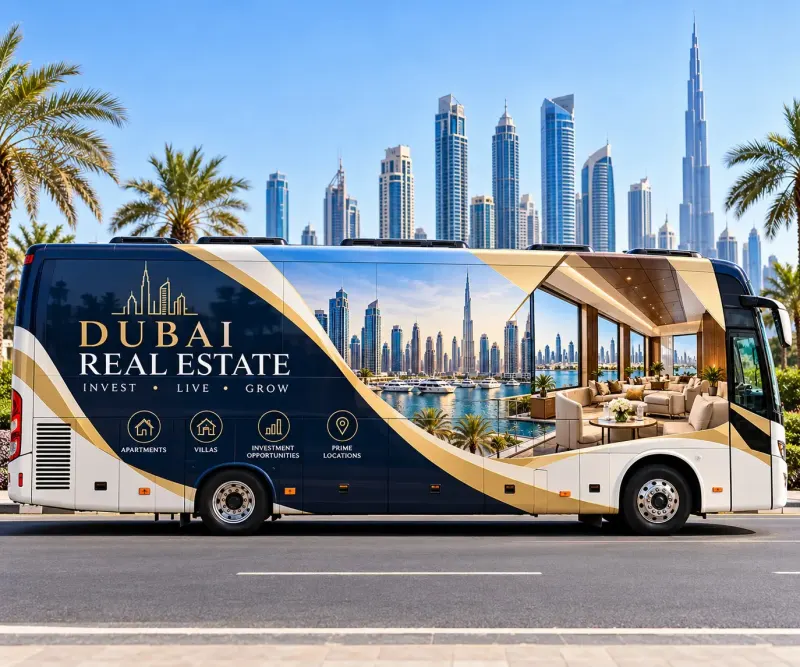
A drop vehicle is not a billboard with a door. It has to work as a small shop under pressure, usually with a queue outside and poor light.
Display that holds up at arm’s length
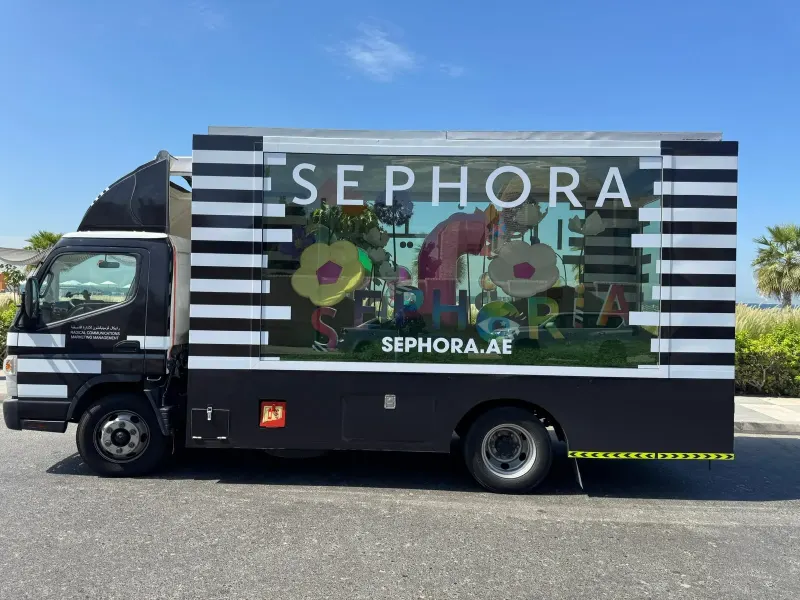
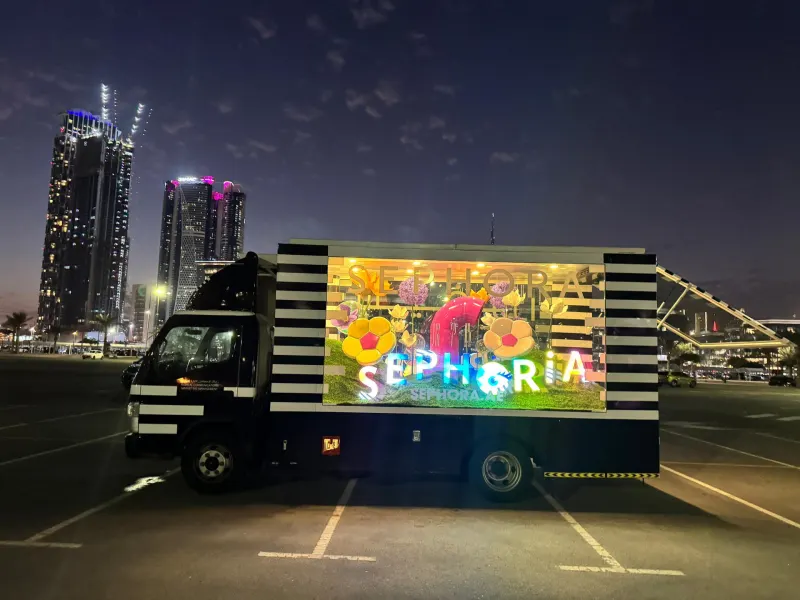
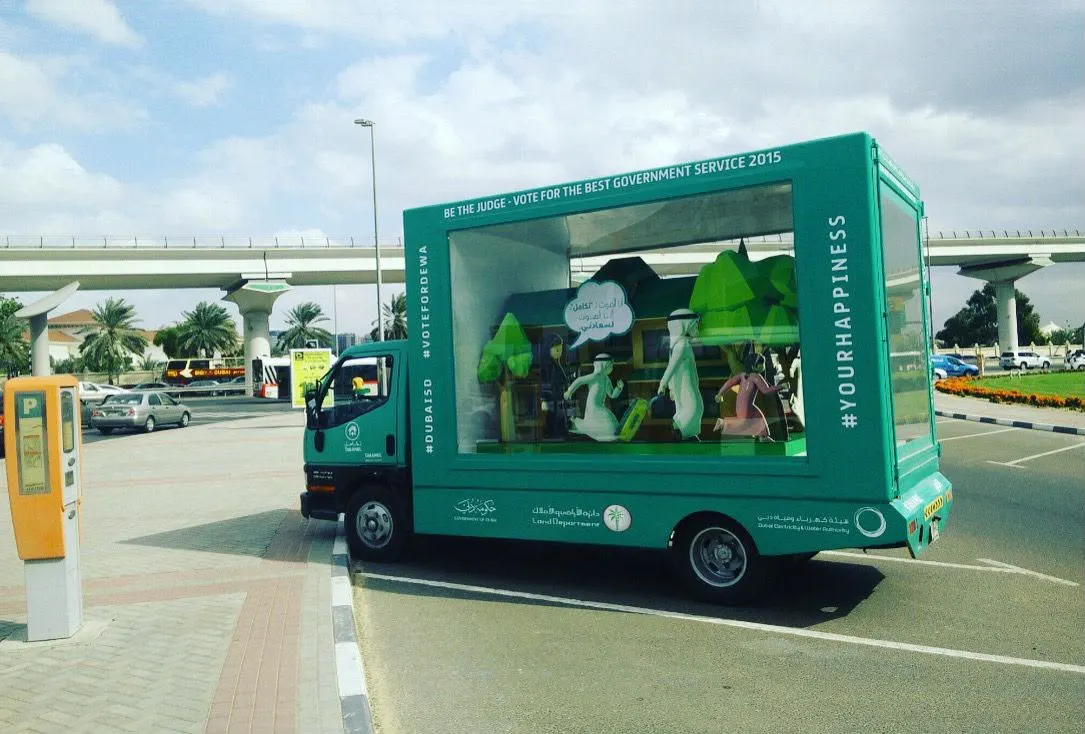
People will photograph the product and the vehicle. Glass sides let the product be seen before anyone reaches the front of the queue, which is what keeps the queue intact.
A counter, not a table
Transactions, bagging, and somewhere for staff to stand. This is the part that gets forgotten in the design and then improvised badly on the day.
Lighting that works after dark
Most drops in Dubai happen in the evening for obvious climate reasons. Lighting is what makes the difference between a vehicle people walk towards and one they walk past.
Planning the drop itself
- Pick the place first, not the date. The right location on a slightly wrong day beats the reverse.
- Announce the area before the exact spot. It builds anticipation and gives you room if permissions move.
- Decide what happens when you sell out. Sold out in forty minutes is a result; an angry queue with no message is not.
- Have something for the people who miss it – a sign-up, a code, a branded item. The people who queued and left empty-handed are your most motivated audience.
- Plan the content capture. The drop reaches a few hundred people in person and potentially far more afterwards, but only if someone was briefed to shoot it.
Where it fits with the rest of the campaign
A drop is a moment, not a campaign. It works best with something carrying the message before and after: a mobile billboard running the announcement in the days before, walking billboards directing footfall on the day, and a brand experience vehicle if the product needs demonstrating rather than simply selling.
We build and run all of those, which is mainly useful because it means one crew and one brief rather than coordinating four suppliers around a four-hour window. Tell us the product and the date and we will tell you what is realistic.