

Choosing uniform fabric for the UAE climate
Uniforms here are worn in heat, washed constantly and photographed all day. How to pick a fabric your team will actually keep wearing.
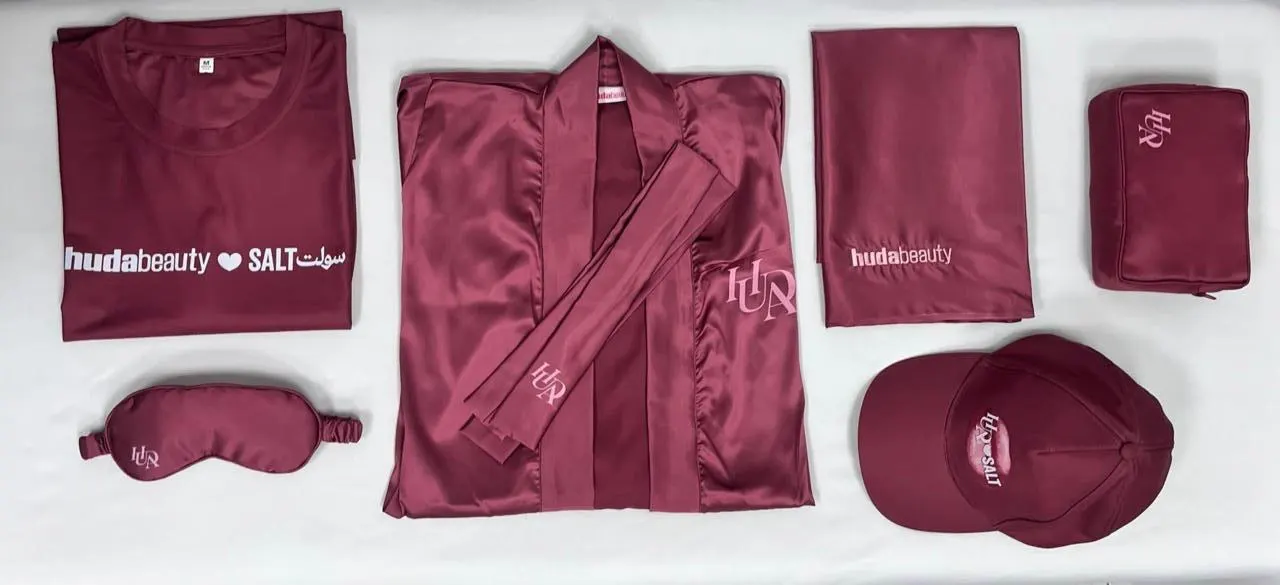
A uniform that looks right in a showroom and is unbearable at two in the afternoon in July is a failed uniform. Comfort is not a luxury here, it is the difference between a team that wears the kit properly and one that does not.
Start with the shift, not the look
An outdoor crew, a retail team in air conditioning and an executive at a client meeting need three different fabrics. Write down where the garment is worn, for how long, and what the person is doing in it.
Breathability and weight
- Outdoor and active roles: moisture-wicking polyester or performance blends
- Retail and front of house: breathable cotton blends, light enough for a full shift
- Executive and corporate: heavier structured fabrics that hold their shape indoors
Heavier is not smarter. A garment that looks sharp and cannot be worn all day will be replaced by the wearer with something else.
Colour, honestly
Dark colours absorb heat and show salt marks; very light colours show everything else. Mid tones are the practical compromise for outdoor teams. If the brand colour is dark, use it as a trim or on a panel rather than across the whole garment.
Washing is part of the specification
Uniforms here are washed constantly. Ask how the fabric behaves after fifty washes, not how it looks new, and choose the branding method accordingly: embroidery lasts, screen print is cheaper, heat transfer sits somewhere between and is the first to fail on a hot wash.
Fit, and sizing the whole team
Get a sized set out for fitting before production. Collect a real size breakdown, add a buffer for new starters, and keep the specification on file so the next intake matches. See custom apparel and uniforms.